


In major agricultural basins, competing demands between expanding industrial parks and long-established farming operations are forcing a overhaul of regional watershed governance. Local water boards are moving past reactive drought management toward structured multi-party aquifer allocation models. Transparent data collection and joint monitoring committees are demonstrating that industrial growth and agricultural yield can coexist sustainably.
Modernizing Aquifer Monitoring Infrastructure
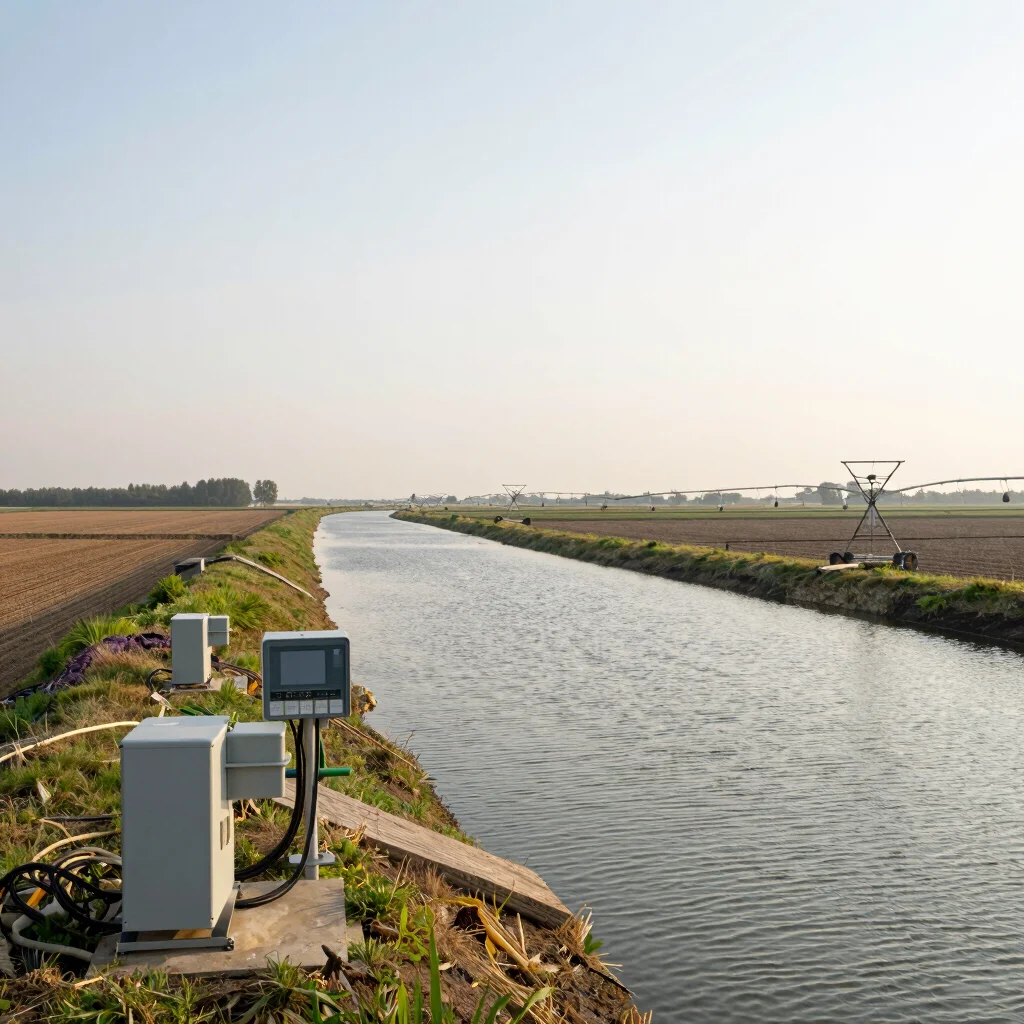
The foundation of equitable water distribution lies in precise, verifiable measurements. Irrigation districts have deployed networked telemetry sensors across groundwater wells, providing farm managers and municipal planners real-time visibility into aquifer levels. Shared data dashboards eliminate guesswork, enabling water districts to adjust extraction thresholds based on actual seasonal drawdown rather than rigid historical formulas.
Addressing the Tension Between Industry and Agriculture
Industrial facilities located within agricultural corridors are increasingly required to install closed-loop water treatment systems. By recycling process water for cooling and secondary operations, manufacturing facilities significantly reduce their fresh aquifer draw. In exchange, local farming cooperatives gain access to treated secondary effluent suitable for grain and timber irrigation during dry summer periods.
Policy Frameworks for Durable Resource Security
Durable resource governance requires steady political commitment and clear regulatory ground rules. When regional councils prioritize long-term watershed health over short-term commercial expedience, they protect both farm yields and manufacturing reliability. High-signal civic reporting remains crucial to holding regional water authorities accountable to their public mandates.